Table Of Content
This, of course, applies as much to any particular example steps/sequences given here. Students experience the engineering design process as they design, fabricate, test and redesign their own methods for encapsulation of a (hypothetical) new miracle drug. The objective is to delay the drug release by a certain time and have a long release duration—patterned after the timed release re... Students learn about human proteins, how their shapes are related to their functions and how DNA protein mutations result in diseases. Then, in a hypothetical engineering scenario, they use common classroom supplies to design and build their own structural, transport and defense protein models to he...
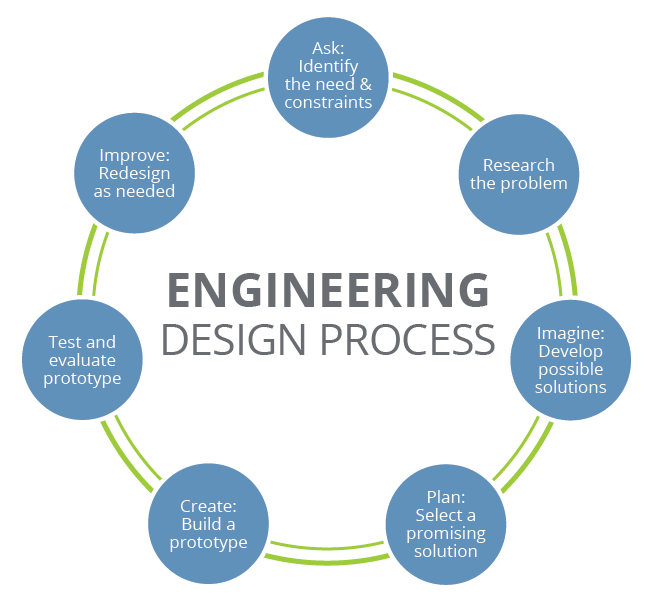
The engineering design process typically involves the following stages:
During this extended activity (seven class periods), students are given a fictional client statement and required to follow the steps of the ... Students further their understanding of the engineering design process (EDP) while being introduced to assistive technology devices and biomedical engineering. They are given a fictional client statement and are tasked to follow the steps of the EDP to design and build small-scale, off-road wheelcha... Using ordinary classroom materials, students act as biomedical engineering teams challenged to design prototype models that demonstrate semipermeability to help medical students learn about kidney dialysis.
on-1 meetings
Students are introduced to the engineering design process, focusing on the concept of brainstorming design alternatives. They learn that engineering is about designing creative ways to improve existing artifacts, technologies or processes, or developing new inventions that benefit society. Students experience the engineering design process as they design and build accurate and precise catapults using common materials. They use their catapults to participate in a game in which they launch Ping-Pong balls to attempt to hit various targets.
Art of meeting with your manager
Students learn about the mathematical characteristics and reflective property of ellipses by building their own elliptical-shaped pool tables. After a slide presentation introduction to ellipses, student “engineering teams” follow the steps of the engineering design process to develop prototypes, wh... The engineering design process is nearly always iterative in nature.
What is Engineering Design and the Engineering Design Process?
The final stage of the engineering design process is to decide upon and create your finished solution for the product—this may take the form of a polished prototype, for example. Once the product is complete, communicate your results in the form of a report or presentation, or by using another method. Keeping sufficient documentation at this stage will help you bring the finished product to manufacturers if necessary. LotusWorks, a leading provider of engineering, technical, and maintenance services, emphasizes the importance of collaboration, communication, and technology in the engineering design process. LotusWorks emphasizes the importance of collaboration and communication throughout the engineering design process. By involving all stakeholders, including designers, engineers, and end-users, in the design process, LotusWorks ensures that the final product meets the needs and expectations of all parties involved.
Engineering Design - Rose-Hulman Institute of Technology
Engineering Design.
Posted: Tue, 12 Jun 2018 21:22:23 GMT [source]
Since the process is based on objective raw data, it can add structure to your projects, help you make decisions, and solve problems without bias. Read on to learn about the engineering design process, why it’s important, and the 11 steps you can take to implement the system in your work. Learn all about the engineering design process, including how to manage an engineering design throughout a project’s life cycle in 11 steps.
The information gathered should be used to develop a thorough understanding of the problem. They synthesize this data to understand the project's impact, identify areas for improvement, and inform future designs. Clear and timely communication ensures that everyone involved in the project from engineers to stakeholders remain informed and engaged throughout the design process.
Specify Requirements
The design must be easy to use, and allows people to move up the ramp easily and go down slowly. Design a customized table top supply organizer inspired by the natural home of a ladybug—or any other insect of a student's choosing—to hold all of their classroom supplies! By the end of this activity, students will understand the properties of biomimicry and the engineering design process. Students investigate what causes them to become sick during the school year. They use the engineering design process to test the classroom lab spaces for bacteria.
Engineering Design: An Overview of the Engineering Design Process and Best Practices
From free STEM lessons to engaging activities and handy instructional videos, it’s all just a click away. Think about what’s doable, what’s cost-effective, and what will be super-efficient. You may print and distribute up to 200 copies of this document annually, at no charge, for personal and classroom educational use.
They program Arduino microcontrollers to control the lighting behavior of at least three light-emitting diodes (LEDs) to create imaginative light displ... Student teams design their own booms (bridges) and engage in a friendly competition with other teams to test their designs. Each team strives to design a boom that is light, can hold a certain amount of weight, and is affordable to build. Students brainstorm, design, and build a cooler and monitor its effectiveness to keep a bottle of ice water cold in comparison to a bottle of ice water left at room temperature. Students engage in design by choosing from a range of materials to build their prototype.
Students learn about health risks caused by cooking and heating with inefficient stoves inside homes. They simulate the cook stove scenario and follow the engineering design process steps, including iterative trials, to increase warmth inside a building while reducing air quality problems. The engineering design process is like a roadmap that engineers use to tackle problems and come up with cool solutions. It’s a series of steps that help them create stuff that works well and won’t break the bank. The EDP is all about brainstorming, getting feedback, and tweaking things until they’re just right.

DiscoverE works to provide every student with a STEM experience and the resources, programs, and connections to improve the understanding of engineering through a united voice and a global distribution network. You can either revisit some of your earlier solutions or brainstorm ideas that will eliminate the problems. Even if the prototype is functional, it may not meet all your expectations. Note where the product falls short, so improvements can be made during subsequent iterations.
The engineering design process is a methodical approach that engineers use to create functional products and processes. It serves as a blueprint for problem-solving and innovating in various disciplines. In today's fast-paced technological environment, understanding the fundamentals of engineering design is crucial for aspiring engineers and professionals alike. This comprehensive course serves as a primer, introducing participants to key concepts and methodologies essential for designing innovative solutions to complex problems.
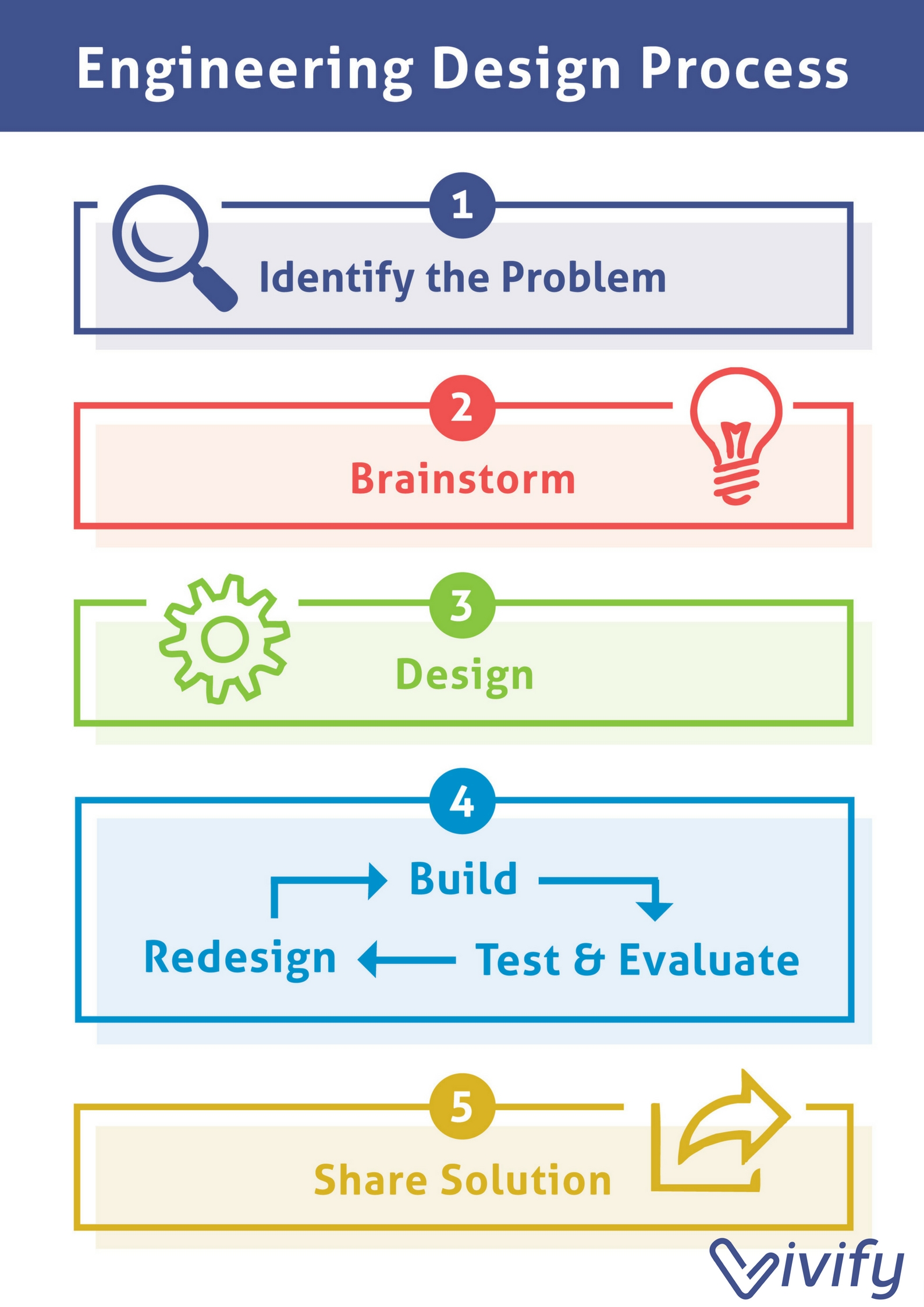
One of the best ways you can become a process-oriented engineer is by using the engineering design process. When engineers, technicians, and technologists set out to solve a problem, their first solution is rarely their best. Instead, they tinker, try different ideas, fail, learn from their mistakes, and try again. This series of steps is called the engineering design process or EDP for short. The engineering design process is designed to be versatile to meet the requirements of different types of projects.
After a project is implemented, the Post-Implementation Review is critical for evaluating the success and sustainability of the engineering design. This phase involves analyzing feedback and assessing the entire lifecycle of the product or system. Effective documentation and communication are paramount in the engineering design process. They facilitate clear understanding and collaboration among stakeholders, ensuring that design intentions are accurately conveyed and recorded. The process is also highly collaborative, often requiring input from a diverse set of disciplines. Engineers work alongside stakeholders, customers, and other professionals to gather requirements, generate design criteria, and ensure that the solutions are viable within the given constraints.
Nevertheless, technological advancements have dramatically evolved over time, with technology providers increasingly addressing the needs of small and medium-sized businesses. Developments in cloud computing, subscription and licensing structures, and integration with CAD and PLM solutions, together with other advancements in simulation and modeling technologies have transformed the landscape. Tools and technologies once out of reach for SMB product development teams can now guide design development, optimization, and performance validation. Such workflows present new opportunities for businesses, including reducing time-to-revenue, increasing product output, and meeting customer expectations. The engineering design process is a systematic method engineers use to solve complex problems and develop functional products and processes.



No comments:
Post a Comment